
Wrap the tape around the fullest part of the chest or bust, keeping it level across the back.
Use this first for tops, dresses, jackets, and bras.Best for explaining the difference between body measurements and apparel labels.
Clothing Size Chart
Compare women's and men's apparel labels for tops and bottoms before choosing a product size or building a store size chart.
Measure and get a size suggestion
Use your own measurements to find the closest reference row, then confirm with the brand chart.
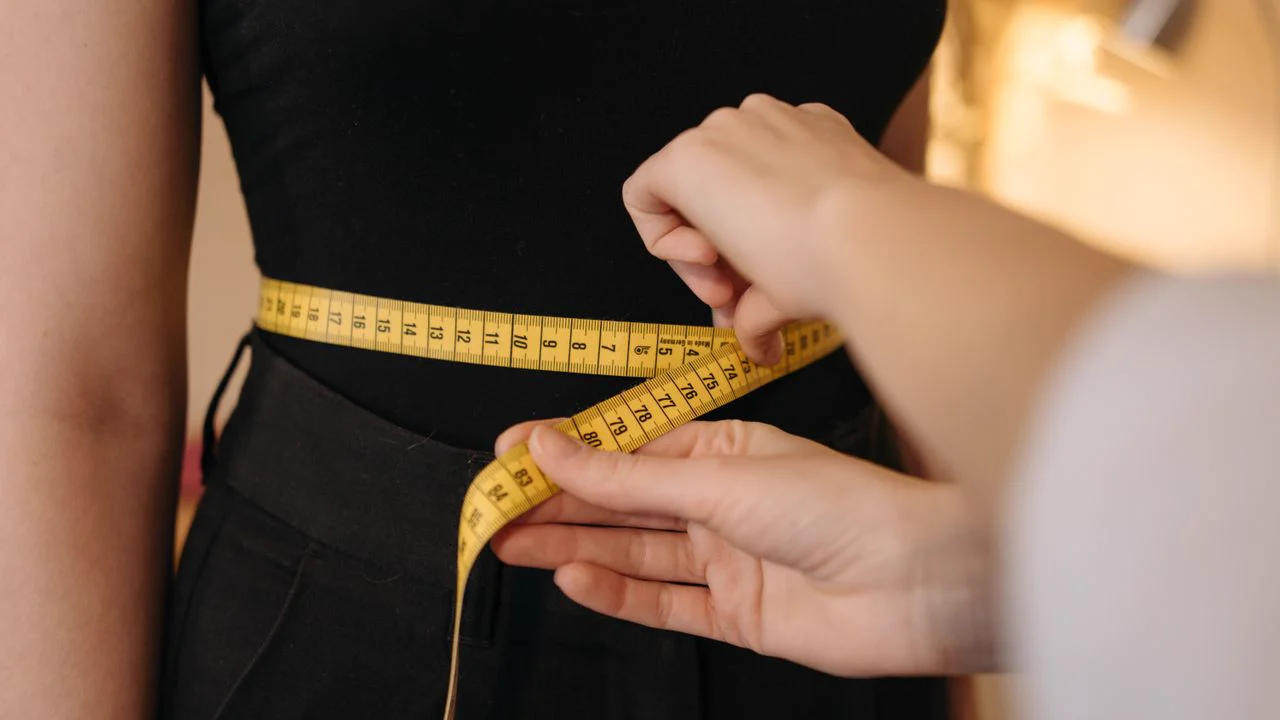
How to measure
Clothing- Choose women's or men's clothing first.
- For women's clothing, compare bust, waist, and hips.
- For men's clothing, compare chest, waist, and neck.
Your measurements
Clothing type
Garment
Closest reference
Enter the measurements you have. A partial result is okay, but more fields give a better match.
Reference only. Product cut, ease, width, material, and brand rules can change the final size.Measurement details
Measure over light clothing or fitted underwear. Keep the tape level, close to the body, and not tight.
Measure the narrowest part of the torso. If unsure, bend to one side and use the crease as the waist point.
Do not pull the tape in or hold your breath.Stand with feet together and measure around the fullest part of the hips and seat.
For skirts, dresses, and trousers, hip can matter more than label size.Measure shoulder point to shoulder point. For sleeve, start at the shoulder point and follow the arm to the wrist.
Useful for shirts, coats, blazers, and long-sleeve knits.Measure from the crotch seam down the inside leg to the hem length you want.
A well-fitting pair of trousers is often the easiest reference.Women's Tops Size Chart
For tops, shirts, and jackets, start with chest or bust, waist, and neck measurements.
| Label | US | UK | EU | FR | DE | IT | JP | Bust | Waist | Hip |
|---|---|---|---|---|---|---|---|---|---|---|
| XXS | 00 | 2-4 | 30-32 | 32-34 | 30-32 | 36-38 | 3-5 | 29-31 in | 22-24 in | 32-34 in |
| XS | 0-2 | 4-6 | 32-34 | 34-36 | 32-34 | 38-40 | 5-7 | 31-33 in | 24-26 in | 34-36 in |
| S | 4-6 | 8-10 | 36-38 | 38-40 | 36-38 | 42-44 | 9-11 | 34-36 in | 27-29 in | 37-39 in |
| M | 8-10 | 12-14 | 40-42 | 42-44 | 40-42 | 46-48 | 13-15 | 37-39 in | 30-32 in | 40-42 in |
| L | 12-14 | 16-18 | 44-46 | 46-48 | 44-46 | 50-52 | 17-19 | 40-43 in | 33-36 in | 43-46 in |
| XL | 16-18 | 20-22 | 48-50 | 50-52 | 48-50 | 54-56 | 21-23 | 44-47 in | 37-40 in | 47-50 in |
| XXL | 20-22 | 24-26 | 52-54 | 54-56 | 52-54 | 58-60 | 25-27 | 48-51 in | 41-44 in | 51-54 in |
| 3XL | 24-26 | 28-30 | 56-58 | 58-60 | 56-58 | 62-64 | 29-31 | 52-55 in | 45-48 in | 55-58 in |
| 4XL | 28-30 | 32-34 | 60-62 | 62-64 | 60-62 | 66-68 | 33-35 | 56-59 in | 49-52 in | 59-62 in |
| 5XL | 32-34 | 36-38 | 64-66 | 66-68 | 64-66 | 70-72 | 37-39 | 60-63 in | 53-56 in | 63-66 in |
| 6XL | 36-38 | 40-42 | 68-70 | 70-72 | 68-70 | 74-76 | 41-43 | 64-67 in | 57-60 in | 67-70 in |
Women's Bottoms Size Chart
For pants, skirts, and shorts, start with waist, hip, and inseam measurements.
| Label | US | UK | EU | FR | DE | IT | JP | Waist | Hip | Inseam |
|---|---|---|---|---|---|---|---|---|---|---|
| XXS | 00 | 2-4 | 30-32 | 32-34 | 30-32 | 36-38 | 3-5 | 22-24 in | 32-34 in | 28-30 in |
| XS | 0-2 | 4-6 | 32-34 | 34-36 | 32-34 | 38-40 | 5-7 | 24-26 in | 34-36 in | 28-30 in |
| S | 4-6 | 8-10 | 36-38 | 38-40 | 36-38 | 42-44 | 9-11 | 27-29 in | 37-39 in | 29-32 in |
| M | 8-10 | 12-14 | 40-42 | 42-44 | 40-42 | 46-48 | 13-15 | 30-32 in | 40-42 in | 29-32 in |
| L | 12-14 | 16-18 | 44-46 | 46-48 | 44-46 | 50-52 | 17-19 | 33-36 in | 43-46 in | 29-32 in |
| XL | 16-18 | 20-22 | 48-50 | 50-52 | 48-50 | 54-56 | 21-23 | 37-40 in | 47-50 in | 30-34 in |
| XXL | 20-22 | 24-26 | 52-54 | 54-56 | 52-54 | 58-60 | 25-27 | 41-44 in | 51-54 in | 30-34 in |
| 3XL | 24-26 | 28-30 | 56-58 | 58-60 | 56-58 | 62-64 | 29-31 | 45-48 in | 55-58 in | 30-34 in |
| 4XL | 28-30 | 32-34 | 60-62 | 62-64 | 60-62 | 66-68 | 33-35 | 49-52 in | 59-62 in | 30-34 in |
| 5XL | 32-34 | 36-38 | 64-66 | 66-68 | 64-66 | 70-72 | 37-39 | 53-56 in | 63-66 in | 30-34 in |
| 6XL | 36-38 | 40-42 | 68-70 | 70-72 | 68-70 | 74-76 | 41-43 | 57-60 in | 67-70 in | 30-34 in |
Men's Tops Size Chart
For tops, shirts, and jackets, start with chest or bust, waist, and neck measurements.
| Label | US / UK chest | EU | JP | Chest | Waist | Neck |
|---|---|---|---|---|---|---|
| XS | 32-34 | 42-44 | XS-S | 32-34 in | 26-28 in | 13-13.5 in |
| S | 34-36 | 44-46 | S | 34-36 in | 28-30 in | 14-14.5 in |
| M | 38-40 | 48-50 | M | 38-40 in | 32-34 in | 15-15.5 in |
| L | 42-44 | 52-54 | L | 42-44 in | 36-38 in | 16-16.5 in |
| XL | 46-48 | 56-58 | LL / XL | 46-48 in | 40-42 in | 17-17.5 in |
| XXL | 50-52 | 60-62 | 3L / XXL | 50-52 in | 44-46 in | 18-18.5 in |
| 3XL | 54-56 | 64-66 | 4L / 3XL | 54-56 in | 48-50 in | 19-19.5 in |
| 4XL | 58-60 | 68-70 | 5L / 4XL | 58-60 in | 52-54 in | 20-20.5 in |
| 5XL | 62-64 | 72-74 | 6L / 5XL | 62-64 in | 56-58 in | 21-21.5 in |
| 6XL | 66-68 | 76-78 | 7L / 6XL | 66-68 in | 60-62 in | 22-22.5 in |
Men's Bottoms Size Chart
For pants, skirts, and shorts, start with waist, hip, and inseam measurements.
| Label | US waist | EU | JP | Waist | Hip | Inseam |
|---|---|---|---|---|---|---|
| XS | 26-28 | 42-44 | XS-S | 26-28 in | 32-34 in | 30-32 in |
| S | 29-31 | 44-46 | S | 29-31 in | 35-37 in | 30-32 in |
| M | 32-34 | 48-50 | M | 32-34 in | 38-40 in | 30-34 in |
| L | 36-38 | 52-54 | L | 36-38 in | 41-43 in | 30-34 in |
| XL | 40-42 | 56-58 | LL / XL | 40-42 in | 44-46 in | 30-34 in |
| XXL | 44-46 | 60-62 | 3L / XXL | 44-46 in | 47-49 in | 30-34 in |
| 3XL | 48-50 | 64-66 | 4L / 3XL | 48-50 in | 50-52 in | 30-34 in |
| 4XL | 52-54 | 68-70 | 5L / 4XL | 52-54 in | 53-55 in | 30-34 in |
| 5XL | 56-58 | 72-74 | 6L / 5XL | 56-58 in | 56-58 in | 30-34 in |
| 6XL | 60-62 | 76-78 | 7L / 6XL | 60-62 in | 59-61 in | 30-34 in |
Body Measurement vs Garment Measurement
A clothing size chart may show body measurements, garment measurements, or both. Body measurements describe the person; garment measurements describe the finished product. Confusing the two can cause poor fit decisions. Ecommerce sellers should label each table clearly and shoppers should compare the measurement type before choosing a size.
How to Measure for Clothing
Use a soft tape measure and keep it level. For tops, check bust or chest, waist, and neck where relevant. For bottoms, check waist, hip, and inseam. Avoid pulling the tape too tight. If the garment is meant to fit loosely, compare the product's garment measurements and allow ease based on the style.
Women's and Men's Size Charts
Some apparel labels look shared, but the measurements behind them are not the same. A women's medium and a men's medium usually describe different body ranges, and tops and bottoms also use different fit logic. Use the women's and men's top tables for bust, chest, waist, and neck references, then use the bottom tables for waist, hip, and inseam.
International Apparel Labels
US, UK, and EU labels are approximate and often differ by category. A dress, jacket, skirt, and pair of pants may not use identical fit logic even from the same brand. Use regional labels for orientation, then rely on measurement ranges and product notes for the final decision.
Seller Tips for Clothing Charts
Sellers should include the measurement unit, where to measure, and whether the chart describes body or garment dimensions. A clear chart can reduce return requests and customer support tickets. If fabric has stretch, include a short note about stretch level and whether customers should size up or down.
Body Measurements vs Finished Garment Measurements
A clothing chart becomes much more useful when it states whether the numbers describe the body or the garment. Body measurements help shoppers choose a recommended size. Finished garment measurements describe the product after sewing and include ease, stretch, and intended silhouette. A relaxed hoodie, tailored jacket, and stretch dress can all use the same body size label but very different finished measurements.
Why Men's and Women's Charts Should Be Split
Clothing size labels are not gender-neutral in many retail systems. A women's medium and a men's medium can point to very different chest, bust, waist, hip, and shoulder assumptions. US and UK apparel labels also depend heavily on whether the product is womenswear, menswear, childrenswear, or unisex. Splitting the chart by clothing type makes the reference more honest and helps shoppers avoid comparing their measurements against the wrong grading system.
Why Extended Sizes Should Be Included
Stopping a chart at XL leaves many shoppers without a reference and makes the tool feel incomplete. Extended sizes such as XXL, 3XL, 4XL, 5XL, and 6XL are common in ecommerce catalogs, even though brand grading varies. Including those rows improves coverage and also helps sellers build more inclusive product charts. The page should still remind users that each brand's plus-size fit model and grading rules may differ.
Related Size Tools
Continue with closely related tools instead of jumping through an unrelated directory.
Bra Size Chart
Best for understanding how band and cup references work together.
Cup Size Chart
Best for comparing cup letter systems after a band size is already known.
Clothing Size Chart Template
Best for sellers who need a reusable apparel measurement table.
Size Chart Generator
Best for merchants who need a product-page size chart quickly.
FAQ
What is the difference between body and garment measurements?
Body measurements describe the shopper, while garment measurements describe the finished item.
Should men's and women's clothing charts be separate?
Yes for most apparel. Men's and women's labels often use different body measurements, especially in US and UK sizing.
Should ecommerce sellers use inches or centimeters?
Use both when possible, or provide a unit switch so shoppers can compare quickly.
Can this chart replace a brand-specific chart?
Use the result as a sizing reference, then check the brand or seller chart before buying. Materials, fit preference, country labels, and manufacturing tolerances can change the best choice.